
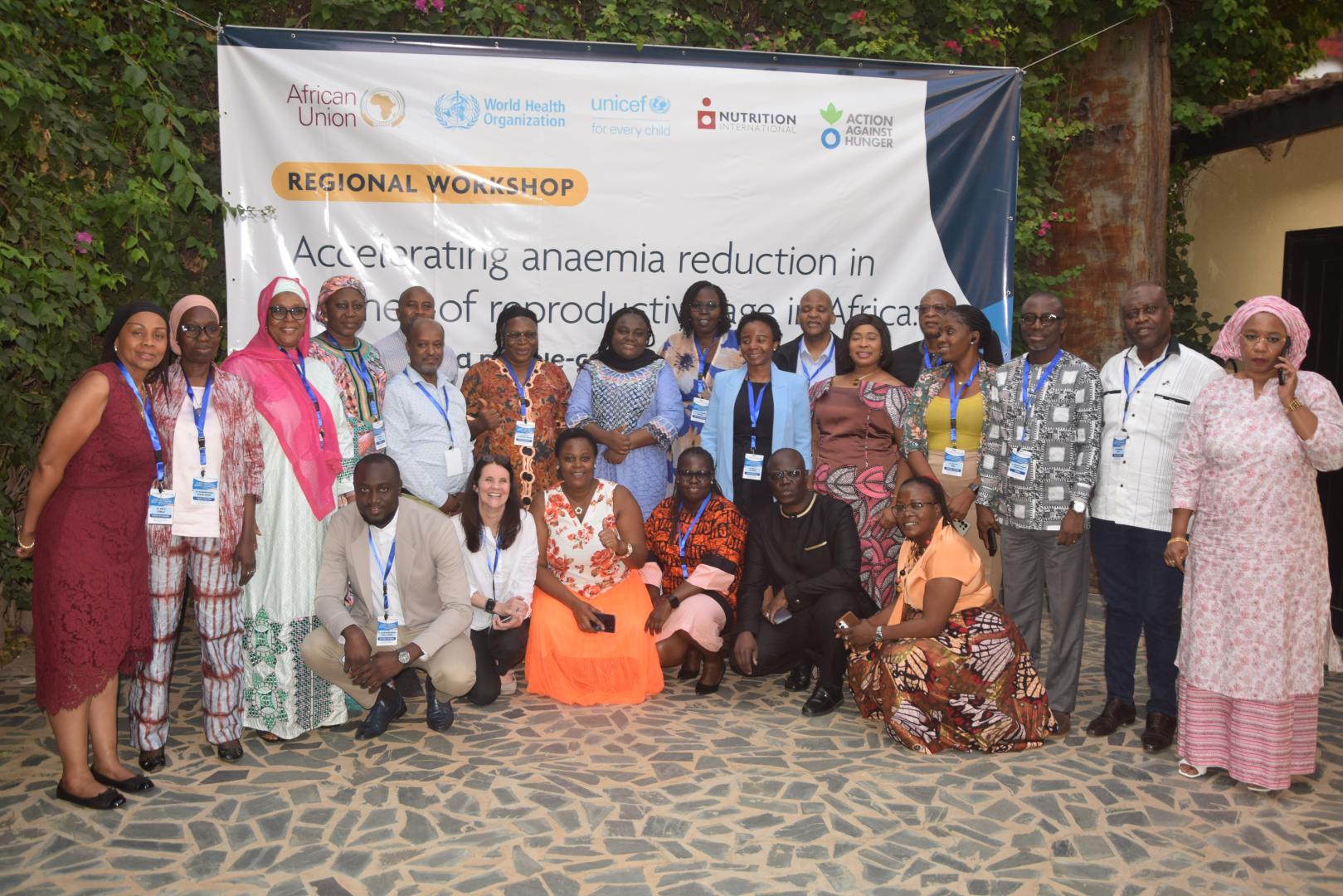
(DAKAR, JAN 04, 2026) – Governments across Africa have taken a major step in addressing anaemia, a condition affecting millions of women and children and slowing progress in health, education, and economic development. From 2 to 4 December 2025, technical experts from 21 African countries, along with development partners, met in Saly, Senegal, to develop strategies aimed at reducing anaemia in children and women of reproductive age.
The workshop came as global targets to reduce anaemia among women by 50%, originally set for 2025, were extended to 2030. Despite these targets, current data show that no African country is on track to meet them. The World Health Organization (WHO) Regional Office for Africa is supporting countries by improving data collection and evidence use. Country profiles have been developed to show the scale of anaemia, its causes, and the interventions already in place.
The meeting allowed national teams to identify gaps in current efforts and plan actions through a coordinated approach. Interventions now aim to integrate anaemia prevention and treatment into broader health and development programs, including reproductive health services and community health initiatives.
Dr Mbaye Sene, head of Senegal’s National Council for the Development of Nutrition, opened the workshop by calling for urgent collective action. “Anaemia remains a major obstacle to maternal health and child development. Together, we can change the health path for millions of women and children in Africa,” he said.
Dr Ousmane Dieng, WHO Nutrition Officer in Senegal, stressed the need for urgent action. “No region is on track to reduce anaemia substantially. This workshop is a chance to reverse that trend and improve the health of millions,” he said. He welcomed participation from 21 countries, noting the commitment this represented to accelerate progress.
During the three-day workshop, countries analysed their data, identified priority actions, and drafted acceleration plans. These plans outline interventions across five key areas set by WHO, focusing on both women and children. They also include mechanisms for coordination, financing, and monitoring progress.
Partners such as Nutrition International, UNICEF, Action Against Hunger, and the African Union Commission pledged technical and financial support to help implement the plans. Their participation highlights the need for collaboration across sectors to address a problem that affects health, nutrition, education, and social protection.
Officials from the Democratic Republic of Congo explained how the workshop will shape national strategies. Dr Bruno Bindamba Senge, Director of the National Nutrition Programme, said the country would finalise a multisectoral strategic plan, establish technical groups, and mobilise resources to address anaemia. Other countries are expected to make similar commitments.
For Tanzania, the workshop revealed persistent challenges despite years of iron and folic acid supplementation. Prevalence remains at 42%, showing the need for a holistic approach that addresses causes beyond nutrition, such as malaria, parasitic infections, menstrual disorders, and inherited blood conditions. Neema Joshua, Deputy Director of Nutrition at the Ministry of Health, said Tanzania would finalise a priority plan and accelerate research on biomarkers to guide interventions.
The outcomes of the workshop extend beyond planning. Countries leave with concrete strategies, stronger partnerships, and clear roadmaps for implementation. With political will, coordinated action, and sustainable investment, Africa can change the trajectory of anaemia and improve the lives of millions of women and children, advancing equity, empowerment, and development.
Anaemia in Selected African Countries
| Country | Prevalence among women (%) | Prevalence among children (%) | Key Interventions |
|---|---|---|---|
| Democratic Republic of Congo | 45 | 60 | Nutrition programmes, malaria control, reproductive health integration |
| Tanzania | 42 | 55 | Iron supplementation, reproductive health, infectious disease management |
| Senegal | 38 | 50 | Community health campaigns, nutrition education |
| South Sudan | 40 | 58 | Supplementation, maternal health integration, malaria prevention |